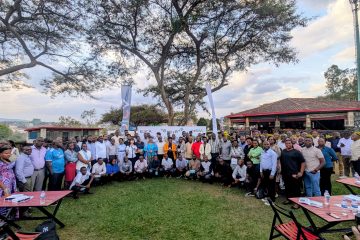
Thousands of Rwandans are gathering at the Kigali Convention Centre today as the 20th edition of Inama y’Igihugu y’Umushyikirano kicks off. The event, held after a one-year hiatus, is bringing together citizens, leaders, and diaspora representatives to review national progress, discuss current challenges, and shape priorities for the year ahead.
Established under Article 168 of the Rwandan Constitution, Umushyikirano is a unique annual forum that gives ordinary Rwandans the opportunity to pose questions directly to national leaders, including the President, ministers and local officials. The word “Umushyikirano” traditionally means a place where people meet to exchange ideas, share experiences and question one another, and today it is institutionalized as the National Dialogue Council, a space designed to strengthen participatory governance and accountability.
The forum traces its roots back to June 28, 2003, when the first National Dialogue Council was held as part of Rwanda’s post‑genocide efforts to rebuild national unity, enhance citizen engagement and create a platform for transparent discussion on development challenges. Since then, it has been held annually, bringing together voices from across the country and beyond to reflect on achievements and future challenges.
Today’s opening drew thousands of delegates to Kigali, including Rwandans from all walks of life and members of the diaspora participating in person and via broadcast platforms. The two‑day event, set to run through Friday, February 6, is chaired by President Paul Kagame and is one of the country’s most significant consultative events on governance, development and national priorities.
In his opening address, President Kagame underscored the importance of accountability, urging leaders at all levels to take responsibility for project implementation and results. President Kagame pointed to concerns over stalled infrastructure projects and unpaid workers, emphasizing that resources entrusted to officials must be managed effectively and transparently. “This dialogue… encourages us to unite efforts for the country’s development,” he said, urging sustained focus on delivery and responsibility.
The dialogue also touched on Rwanda’s role in regional security matters.
Addressing controversial narratives around Rwanda’s involvement in neighboring conflicts, President Kagame rejected allegations that the country was driven by economic motives such as mining in the Democratic Republic of Congo, asserting that security concerns and the threat posed by armed groups guide Rwanda’s regional posture.
What distinguishes this year’s session is its return after a pause in 2025; the last Umushyikirano was held in January 2024, when about 1,500 delegates convened to discuss social, economic and governance challenges and priorities. The break allowed government and stakeholders to reflect on implementation of past dialogue resolutions and prepare for more robust engagement this year.
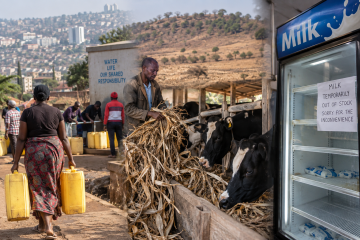
Over the years, Umushyikirano has generated influential development initiatives that continue to shape Rwanda’s trajectory. Examples include the Girinka (One Cow per Family) program, which expanded rural livelihoods and nutrition; the establishment of the Agaciro Development Fund to build financial resilience; and the adoption of the 12 Years Basic Education policy to significantly broaden access to schooling.
Scholars and civic observers say the forum’s value is twofold: it provides a rare platform for direct dialogue between citizens and leaders, and it helps embed a culture of performance and accountability in Rwanda’s governance framework. The discussions are broadcast live via television, radio and online platforms, enabling nationwide participation beyond the event hall.
As this year’s National Dialogue Council continues, delegates and leaders are expected to dive deeper into progress on economic targets, public service delivery, youth opportunities, and national unity. Observers will be watching how recommendations from this session translate into concrete policy actions in the coming months, a key measure of Umushyikirano’s long‑term impact on Rwanda’s development journey.