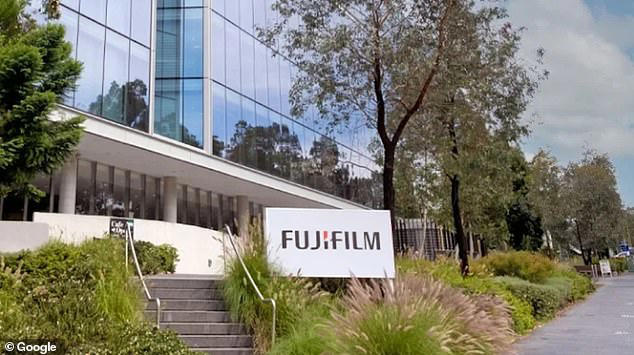
An IT specialist at Fujifilm was dismissed after a series of workplace complaints, many of them written with the assistance of artificial intelligence, escalated a routine dispute into a prolonged conflict with management.
The case, reviewed by the Fair Work Commission, highlights emerging concerns about the use of AI tools in professional communication.
From Minor Dispute to Formal Complaint
The employee, Marcus Wibmer, had an otherwise clean work record before the incident.
The situation began in May 2025 when a colleague criticized his work in a Microsoft Teams message, stating that a coding error had “caused more pain than gain.” Mr Wibmer objected to the criticism, and the exchange escalated after the colleague questioned whether he had anger management issues.
In response, Mr Wibmer filed a formal bullying complaint and requested both a public apology and mediation. The complaint was investigated and later dismissed.
Although the colleague subsequently issued an apology, Mr Wibmer rejected it and raised additional concerns, including a request to reopen a separate workplace incident from 2019 that had already been investigated and closed.
Multiple Complaints and HR Involvement
The dispute continued into July, when a workplace dress code issue led to further tension during a meeting with human resources.
Mr Wibmer later filed a sexual harassment complaint related to comments made during that meeting. However, after review, the complaint was found to be unsubstantiated.
Over several days in July, Mr Wibmer sent at least 17 emails to management, many of which were assisted by AI tools. These messages included detailed references to workplace legislation and contained multiple requests for internal documents, investigations, and formal responses.
Concerns over Communication Style
According to the Commission, the emails were lengthy, repetitive, and demanding in tone. They raised numerous allegations against management and sought extensive information within a short timeframe.
When some of these requests were declined, further emails followed, including additional claims of inappropriate conduct.
The company conducted an internal review and concluded that the complaints lacked sufficient evidence. It also raised concerns about Mr Wibmer’s conduct, including a claim related to inaccurate timesheet reporting and an allegation involving an email that could not be substantiated.
Termination and Ruling
Mr Wibmer’s employment was terminated on August 7, with the company stating it had lost trust and confidence in his ability to continue in the role.
In its decision, the Commission found the dismissal justified.
Deputy President Slevin noted that the use of AI in drafting communications appeared to contribute to the situation.
He observed that the messages were “dense, repetitive and often rambling,” and said the technology may have given the employee a misplaced confidence in the appropriateness of his approach.
The ruling concluded that the ongoing complaints, combined with the employee’s refusal to accept investigation outcomes, made the working relationship unsustainable.
A Growing Workplace Issue
The case reflects a broader challenge as AI tools become more widely used in professional settings. While such tools can assist with drafting and structuring communication, the Commission emphasized that responsibility for tone, accuracy, and judgment remains with the individual.