As festive celebrations sweep across Rwanda, from New Year’s gatherings to community events, health experts are raising the alarm about a part of sexual health that is often overlooked: oral sex.
While conversations about condom use during vaginal or anal sex have increased over the years, many young people and adults still believe that oral sex is “safe” and risk-free. However, recent data suggest that this assumption can have serious public health consequences, especially during periods when sexual activity increases and protective measures decline.
Festivities and Risky Behaviors
“It’s a pattern we see year after year,” says Dr. Jean-Claude Uwamariya, a public health specialist working in Kigali. “Festive seasons bring relaxed social norms, more alcohol, and an increase in casual and transactional sex. Without protection, oral sex can still transmit infections that many people underestimate.”
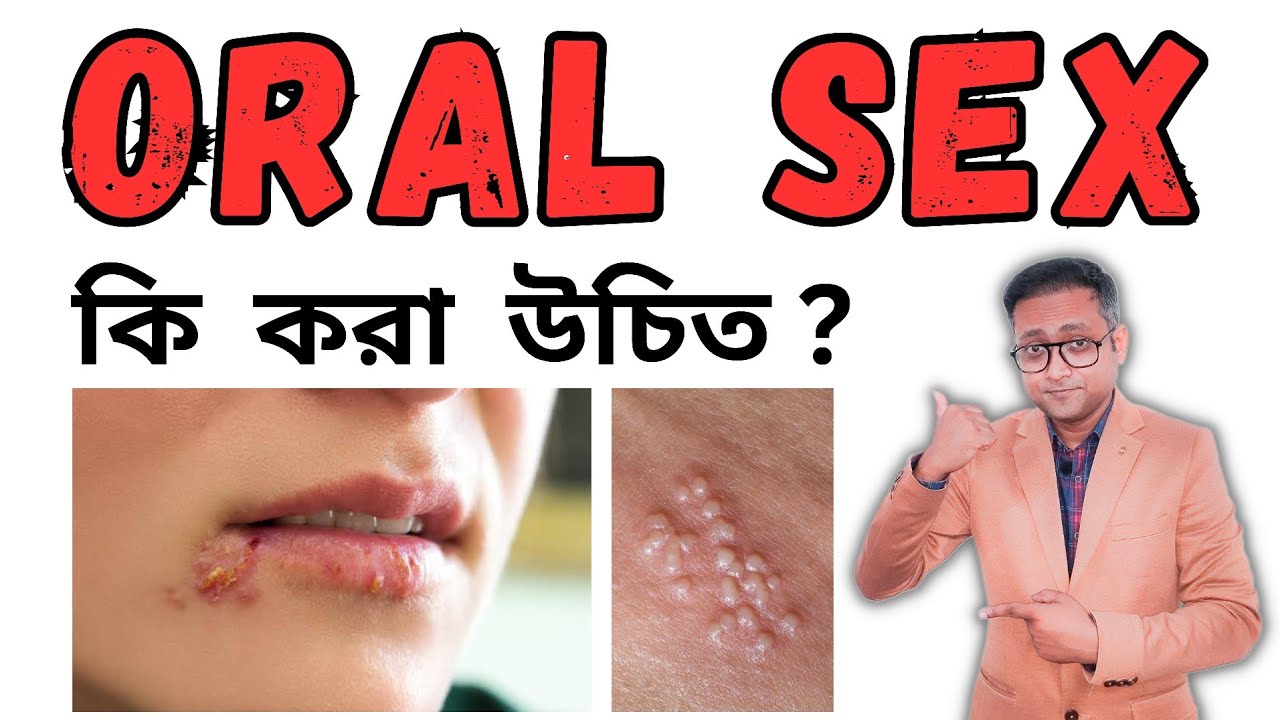
Oral sex, performed with or without condoms, does carry risk for sexually transmitted infections (STIs), including gonorrhea, chlamydia, syphilis, herpes, and human papillomavirus (HPV). These infections can seriously affect reproductive and overall health if left untreated.
STIs in Rwanda: By the Numbers
Though many Rwandans associate testing with vaginal sex, national health data show that STIs remain a persistent concern across the country. According to recent Ministry of Health reporting, over four million people were screened for STIs in Rwanda from July 2022 to June 2023, with more than 224,000 (5.3%) showing signs of infection, a figure that has risen in recent years as more people seek testing and treatment.
A longer-term trend from 2014–2020 found that the prevalence of all STI syndromes detected in health facilities increased from about 2.4 percent to more than 4.1 percent, with urban areas such as Kigali showing some of the highest rates.
Although these statistics do not specifically separate out oral sex-associated infections, they reflect a broader STI burden that can include infections transmitted through oral contact, particularly bacterial infections like gonorrhea and chlamydia.
Oral Sex Risks: What the Science Shows
Unlike vaginal or anal intercourse, oral sex has a lower risk of HIV transmission, but it is not zero, especially for other STIs.
Experts point out that:
- Gonorrhea and chlamydia can infect the throat after oral exposure, often without symptoms.
- Syphilis and herpes can be passed through contact with sores or infected secretions.
In general, medical literature notes that HIV transmission through oral sex is rare but possible, particularly when there are mouth sores, bleeding gums, or other abrasions in the mouth.
“People think that because HIV risk is low, it means there’s no risk at all,” says Dr. Uwamariya. “But oral sex can spread other infections that seriously affect fertility, pregnancy, and long-term health.”
Why Awareness Is Critical
While condoms are widely promoted for vaginal and anal intercourse, their use during oral sex remains low. Studies in other contexts consistently show that many individuals do not use protection during oral contact, believing it to be safe or negligible in risk.
In Rwanda, historical surveys of sexual behavior show that a substantial share of sexually active young adults report infrequent condom use in general, even before considering oral sex specifically. For example, a national survey by the ministry of health reported that among sexually active 19- to 24-year-olds, only about 16–20 percent used condoms regularly, and transactional sex was reported by a notable minority.
These behaviors, common during festive and high-social-interaction periods, help explain why STIs persist even when broader HIV prevention efforts have been strengthened.
Vulnerable Populations at Higher Risk
Some groups are significantly more affected. For example, men who have sex with men (MSM) and transgender populations in Kigali show high rates of STIs overall, with approximately 16.7 percent having one or more STIs, including those that can be transmitted through oral practices. Many of these infections go untreated because they are asymptomatic.
Female sex workers, although criminalized in Rwanda, also face an elevated risk, with historic studies indicating very high HIV and STI prevalence in this group compared with the general population.
Health Professionals Urge Better Protection
“The data are clear,” says Dr. Uwamariya. “Any sexual encounter with unknown STI status, including oral sex, should involve protection if possible. Condoms and dental dams reduce risk. If they’re not used, regular testing and honest communication with partners become even more important.”
The Rwanda Biomedical Centre (RBC) has been promoting systematic STI screening at health facilities nationwide, yet health workers still emphasize the need for targeted sexual health education, especially around less-discussed practices like oral sex.
Taking Action This Festive Season
Public health advocates recommend the following during celebrations:
- Use protection (condoms or dental dams) during all sexual activity, including oral contact.
- Get tested regularly for STIs, early detection improves treatment outcomes.
- Limit alcohol use when making decisions about sexual encounters.
- Seek confidential care at health centers if symptoms arise.
As Rwanda’s health system works to lower STI prevalence, experts stress that awareness and prevention must keep pace with social behaviors, especially during times of festivity when risk increases.
“Understanding the real risks not just the fear of HIV, but the reality of STIs that can affect reproductive health is essential,” Dr. Uwamariya says. “Protect yourself and your partners every time.”