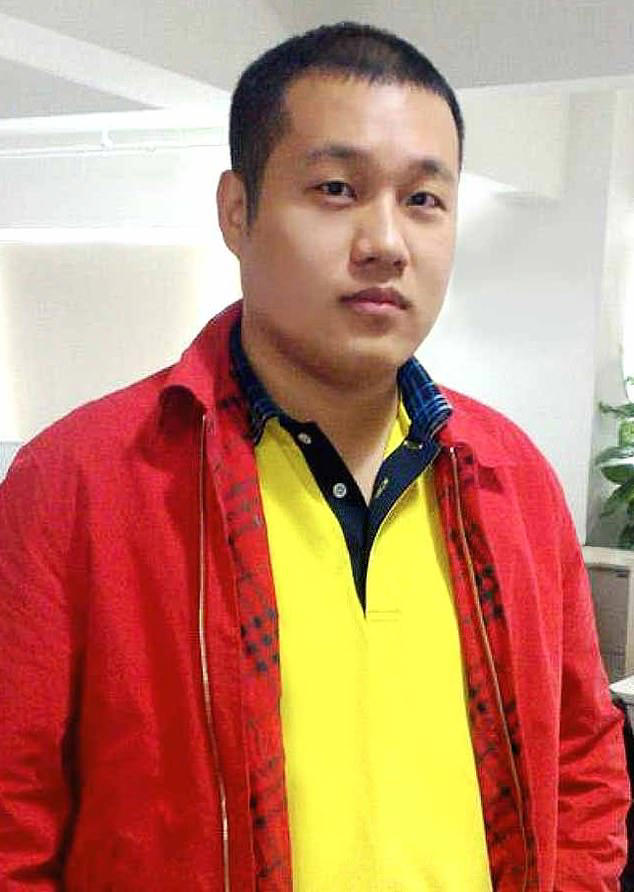
A growing number of wealthy Chinese businessmen are reportedly using surrogacy services in the United States to father dozens and in some cases more than a hundred, children, raising complex legal, ethical, and social questions across borders.
According to investigations by international media, some Chinese billionaires have turned to American fertility clinics and surrogate agencies to bypass China’s strict ban on domestic surrogacy. With declining birth rates at home and fewer legal options, these individuals are spending vast sums, reportedly up to $200,000 per child, to have children born abroad, primarily in the United States, where surrogacy laws are more permissive in several states.
Mega-families and personal ambition
One of the most prominent figures linked to the trend is Xu Bo, a Chinese billionaire who made his fortune in the fantasy video game industry. Xu has publicly claimed to have fathered “a little over 100” children and has referred to himself as “China’s first father.”
In 2023, Xu appeared in court after a judge denied him parental rights to four unborn children, citing evidence that he had already fathered or was in the process of fathering multiple other children through surrogacy. During court proceedings, Xu reportedly expressed a desire to have at least 20 U.S.-born children who could one day inherit and manage his business interests.
Social media accounts previously linked to Xu have promoted the idea that “having more children can solve all problems,” and even speculated about future alliances between his offspring and those of tech billionaire Elon Musk, whom some wealthy Chinese businessmen reportedly view as a role model for large families.
Xu’s former partner, Tang Jing, has claimed that the tycoon may have fathered as many as 300 children, though such figures remain unverified. Xu’s company, Duoyi Network, has denied certain allegations, including claims that he favored boys over girls.
Citizenship, wealth, and legal grey areas
Children born on U.S. soil are generally granted American citizenship under the 14th Amendment. This has added a geopolitical dimension to the issue, particularly as President Donald Trump has signaled efforts to challenge birthright citizenship through the U.S. Supreme Court.
Another wealthy Chinese executive, Wang Huiwei, is reported to have used American models as egg donors to have at least ten daughters. Sources close to him claim he intends to marry them into powerful families in the future, an allegation that has intensified ethical concerns around the commodification of reproduction.
Fertility clinics under pressure
Nathan Zhang, founder of IVF USA, a fertility clinic network operating across the U.S. and Mexico, confirmed that some of his ultra-wealthy Chinese clients have expressed a desire to produce “hundreds” of children through surrogacy.
“Elon Musk is becoming a role model now,” Zhang said in an interview, noting that some clients aim to create what they describe as an “unstoppable family dynasty.” Zhang added that he once rejected a request from a businessman seeking more than 200 children at once, after questioning how the children would be raised.
Other professionals echo similar accounts. A California-based surrogacy agency owner said they had assisted a Chinese client seeking 100 children, while a Los Angeles lawyer reported helping a Chinese billionaire have at least 20 children through U.S.-based surrogacy arrangements.
Ethical concerns and official response
The phenomenon has drawn criticism from ethicists, legal experts, and Chinese authorities. Liu Pengyu, spokesperson for the Chinese Embassy in the United States, reiterated Beijing’s official stance that surrogacy risks creating “serious family and social ethical crises.”
Critics argue that the practice raises troubling questions about child welfare, gender preferences, inequality, and the treatment of women’s bodies as commercial tools, particularly when vast wealth allows some individuals to operate beyond the reach of both domestic and international norms.
As fertility technologies advance and global mobility increases, the issue highlights a growing gap between national laws and transnational realities, one that governments may soon be forced to confront.