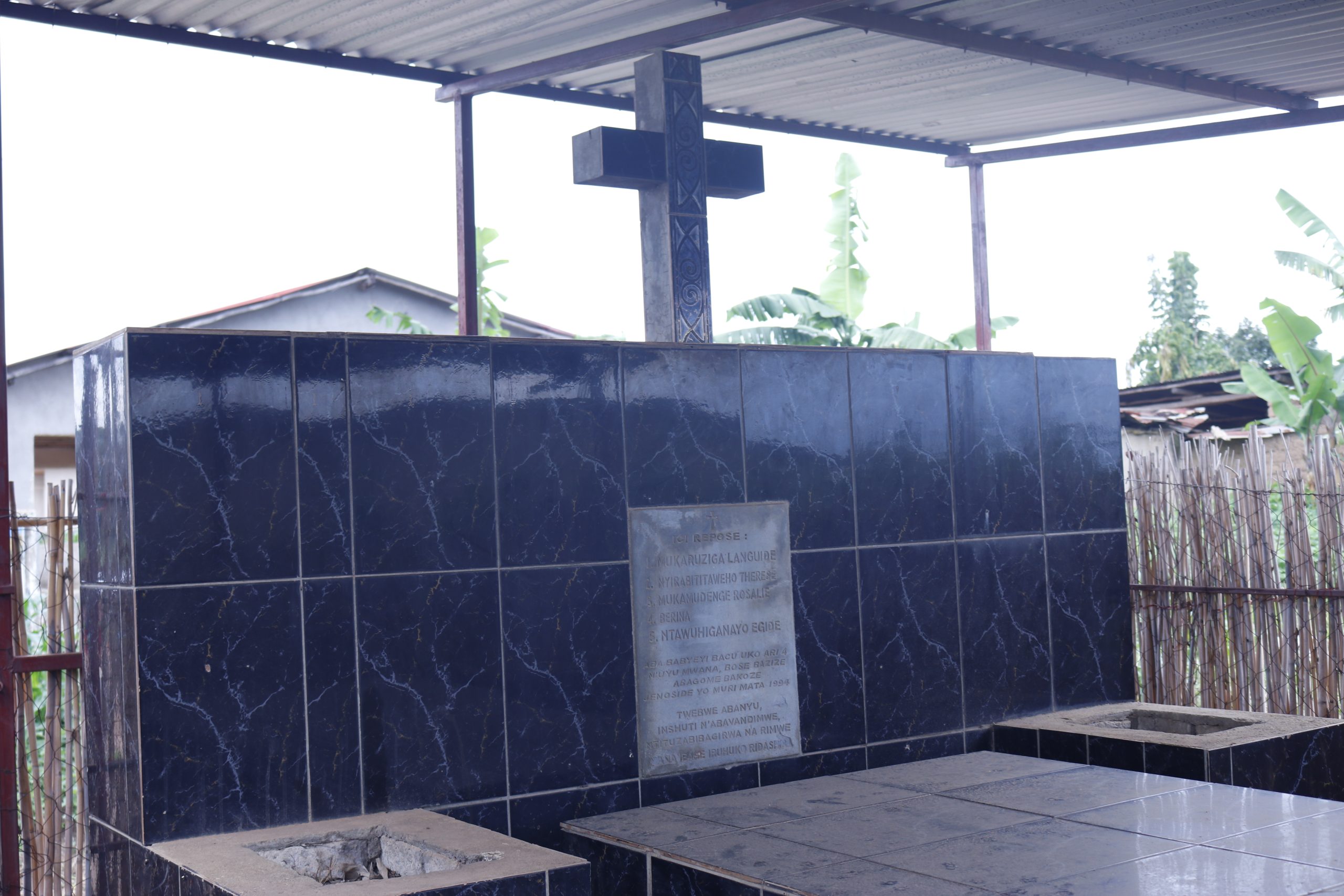
Survivors from the Abakono family have challenged Madjaliwa Safari’s account of his actions during the 1994 Genocide against the Tutsi, disputing his claim that he helped save members of their family during the attacks.
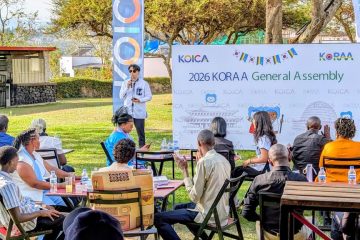
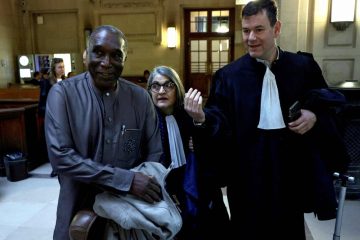
During a meeting with survivors in Nyanza District, in the area where Safari previously lived, members of the Abakono family rejected explanations he presented before the Paris court of Assize, where he is facing trial over his alleged involvement in crimes committed during the genocide.
Their accounts offer a different perspective on two incidents Safari used to explain his actions: his claim that he rescued a young boy from the Abakono family and his decision to take another survivor to his home.
Survivors question the alleged rescue of a child
On November 18, while responding to accusations concerning the attack against the Abakono family, Safari told the Paris court that he had gone to the family’s home to retrieve a child whom he claimed to have saved. He said he subsequently entrusted the child to some women.
However, a survivor from the family challenged this account during the meeting in Nyanza, questioning why Safari would have saved one child while leaving the others exposed to the attacks.
According to the survivor, if his intention was genuinely to protect the child, he should also have attempted to save the child’s siblings.
The survivor argued that rescuing one child while other members of the same family remained in danger did not support Safari’s portrayal of his actions as an attempt to save the family.
A survivor says she was taken to Safari’s home to serve his wife
Another survivor from the Abakono family challenged Safari’s account through her own experience of being taken to his home during the genocide.
She said Safari took her to his house but rejected the suggestion that he did so out of compassion or with the intention of saving her.
According to her testimony, she was instead made to work as a domestic servant for Safari’s wife.
Survivors reject his account of events
The meeting in Nyanza also brought attention to Safari’s broader defense before the Paris court.
During his questioning, he declared that although he possessed a Hutu identity card in 1994, he considered himself Tutsi. He said this made him fear for his own life during the genocide.
He also denied participating in killings, commanding people to kill or exercising responsibility over the Chez Premier roadblock. He maintained that his presence there was compulsory and that a gendarme had instructed him to report to the roadblock.
The survivors, however, rejected his explanations, insisting that what he told the court did not correspond with their experiences during the genocide.
Claim of rescuing victims does not settle questions of individual responsibility
The question of individuals who rescued some Tutsi while participating in the persecution of others also emerged during the trial.
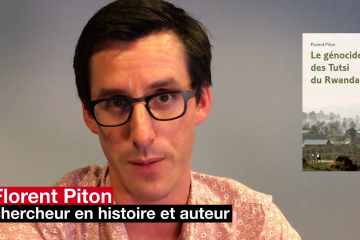
On November 17, historian Florent Piton, who testified about the historical context of the genocide, was asked by the prosecution whether someone could save certain Tutsi while participating in the killing of others.
Piton explained that this phenomenon had been documented during the genocide, noting that individuals could protect some people while participating in the persecution of others.
His explanation concerned a broader historical phenomenon and was not a finding about Safari. Nevertheless, it provides important context for examining claims of rescue alongside allegations of participation in other crimes.
For the Abakono survivors, Safari’s claim that he saved a child does not erase the questions surrounding what happened to the rest of the family or their own experiences during the genocide.
Their accounts bring the experiences of survivors in Rwanda into a trial taking place more than 30 years after the events.
Safari denies the accusations against him. The Paris court will ultimately determine his individual criminal responsibility based on the evidence and testimonies presented during the proceedings.