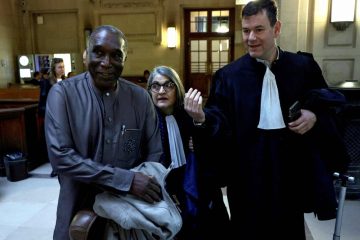
Historians, genocide researchers and former international justice officials have provided expert testimony in the trial of Madjaliwa Safari, helping the Paris court of Assize examine the historical, organizational and legal context surrounding the alleged crimes committed during the 1994 Genocide against the Tutsi.
Their testimonies during the first four days of proceedings addressed the organization of roadblocks, the identification of Tutsi, individual responsibilities within these structures and the possibility of coercion in participation in the killings.
These explanations are particularly relevant to the allegation that Safari served as an assistant to a man identified as Premier, who allegedly headed the ‘Chez Premier’ roadblock in the former Gitarama Prefecture.
Historical and political context
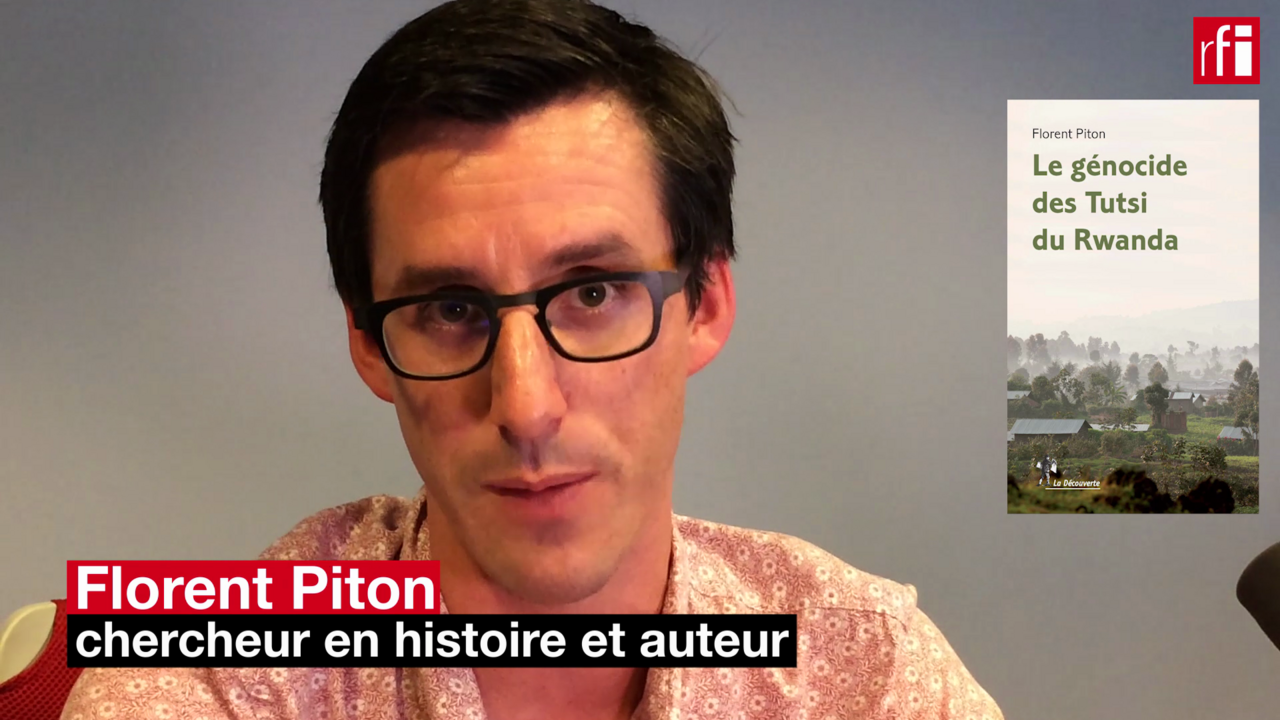
On November 17, historian Florent Piton, author of Le génocide des Tutsi au Rwanda, examined the historical development of anti-Tutsi ideology, from colonial racialization to discriminatory policies after independence and the role of extremist media in spreading propaganda.
He also explained how state resources and administrative structures were mobilized during the genocide, providing historical context for the alleged crimes in the former Gitarama Prefecture.
His testimony also addressed whether individuals could save some Tutsi while participating in the persecution of others. Piton explained that such situations had been documented during the genocide, an observation relevant to examining claims of rescue alongside allegations of participation in other crimes.
Roadblocks and the alleged responsibilities at ‘Chez Premier’
The organization of roadblocks was a central subject during the testimony of Alain Verhaagen, a university professor who was in Rwanda during the genocide as part of a humanitarian mission.
On November 19, he explained how roadblocks were used to identify Tutsi, control movement and facilitate killings.
The presiding judge presented the alleged structure of the ‘Chez Premier’ roadblock, where Premier reportedly had several assistants, including Safari. A firearm was allegedly entrusted to Premier and, in his absence, to his assistants.
Verhaagen confirmed that this arrangement corresponded to patterns he had observed during the genocide. He also explained that firearms were symbols of authority and that social position could influence an individual’s responsibilities within a roadblock.
Addressing the defense’s argument that Safari was compelled to attend, the expert distinguished between an obligation imposed by authorities and actual coercion. He said that refusing to participate in guarding a roadblock did not automatically expose someone to the death penalty.
Participation, authority and individual responsibility
The court also considered the testimony of Jacques Sémelin, a researcher specializing in genocide and mass violence. His earlier testimony was summarized by the presiding judge on November 18 because he was unable to attend.
Sémelin explained how political mobilization, propaganda, dehumanization and obedience to authority could encourage individuals to participate in mass violence.
On November 19, researcher Hélène Dumas also addressed the organization of roadblocks, explaining how responsibilities were delegated and how individuals in leadership positions controlled movement and identification at checkpoints.
She discussed the possibility of passive presence at roadblocks, referring to cases examined by the Gacaca courts, and noted that some people avoided participation in the genocide while others maintained rescue activities.
Former ICTR officials explain the assessment of evidence
On November 20, Laetitia Husson, a former legal officer at the International Criminal Tribunal for Rwanda (ICTR), explained the tribunal’s jurisprudence on individual criminal responsibility, including different forms of participation, assistance and encouragement.
She also discussed how judges assess witness testimonies, explaining that inconsistencies do not automatically make an entire account unreliable.
The court had also heard from Damien Vandermeersch, a former Belgian investigating judge who investigated genocide crimes in Rwanda. He described the challenges of collecting evidence, interviewing survivors and reconstructing events. He said he had not observed systematic manipulation of witnesses during his investigations.
Their contributions provided a legal and investigative perspective on the evidence and testimonies being examined in Safari’s trial.
Establishing individual responsibility
The expert testimonies have helped the court examine the historical circumstances of the genocide, the organization of roadblocks and the responsibilities individuals could have exercised within them.
While the explanations of Verhaagen and Dumas are particularly relevant to the alleged structure at Chez Premier, the contributions of Piton, Sémelin, Husson and Vandermeersch provide broader historical, social and legal context.
The central question remains whether the evidence establishes Safari’s individual responsibility for the crimes with which he is charged.
Safari denies the accusations and maintains that he was compelled to attend the roadblock. He remains presumed innocent until the court delivers its verdict.